

Winter is the Perfect Time to Begin Transforming a Small Part of Your Yard to a Wildscape
Wildscaping at its simplest is a landscape that utilizes native plants to provide sustenance and habitat for wildlife. From there, it can go in many different directions and take many different forms, but with the two commonalities:
- Use of plants native to the local ecoregion
- Helping nature, especially pollinators and birds
The Native Plant Society of Texas describes as:
“Wildscaping is a way of designing your home’s landscape to attract and benefit wildlife, especially birds and butterflies, by providing the required food, water, and shelter. The ‘food’ component can best be provided through the use of plants that are native to your area; afterall, wildlife and plants have evolved together for many thousands of years. Wildscaping is also a way each of us can help offset the disappearance of wildlife habitat caused by development.”
Creating a wildscape can cover an entire large ranch or a corner of an urban backyard. Wildscaping need not include an in-depth analysis by Ecological Design experts to determine the optimum design and right mix of native plants. Instead, you can start as a DIY project by removing a patch of Bermuda or St. Augustine grass and replacing it with a few native plants and grasses.
Non-natives Are Not Welcome
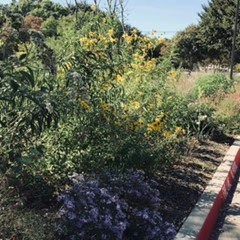
One element that is definitely not part of wildscaping is non-natives or exotics. These plants have not developed symbiotic relationships with the local wildlife, especially pollinators, over millennia. They are often invasive, taking over a habitat with negative consequences to beneficial native plants and fauna. In addition, they are needy – requiring chemicals, supplemental water, and greater vigilance to control.
The number one enemy in your yard to the local ecosystem is non-native grasses. In the United States, there are over 32 million acres of land devoted to grass lawns. Almost all of these grasses are non-natives. These lawns and the required landscape irrigation, soak up a costly 1/3 of all residential water use. In addition, annually over 80 million pounds of pesticides are utilized in maintaining these landscapes.
Getting Started – Keep it Simple

Starting your wildscape does not require a lot of time or money. To begin your wildscaping project, find a corner or other small piece of lawn and remove the non-native grass. Then, with some quick investigation on our chapter’s site, NPSOT, Lady Bird Johnson Wildflower Center, and Texas Parks and Wildlife, you can determine the best native plants for your location. Below are some tips to help you get started:
- Create Variety – Aim to plant at least three varieties of plants so that you offer insects, birds, and other wildlife with multiple options. It provides pollinators and other small wildlife with a longer duration of blooms, varying plant heights, different flower sizes, and a mix of colors to entice them.
- Be Dense – In nature, most plants grow in dense colonies. It also helps reduce weeds and provides a more pleasing aesthetic.
- Kindred Needs – While variety is key, ensure that you do not mix a plant that requires a lot of water next to one that requires drier soil. Be aware of purchasing plants with similar requirements for sun, water, and soil.
- Think Vertically – Keep in mind the height of the plants, do not plant a taller plant in front of a smaller plant. Additionally, by layering, you create more habitat types for wildlife, and a more pleasing view for yourself.
Perfect is The Enemy of The Good
This last piece of advice is likely the most important. You are not developing a formal English landscape or Topiary garden; you are making a natural and inviting garden that is pleasing to the eye and to the local ecosystem. Allowing imperfection in your wildscape reduces your time and money, and generates benefits for insects, birds, and other small creatures.
Native Plant Ideas
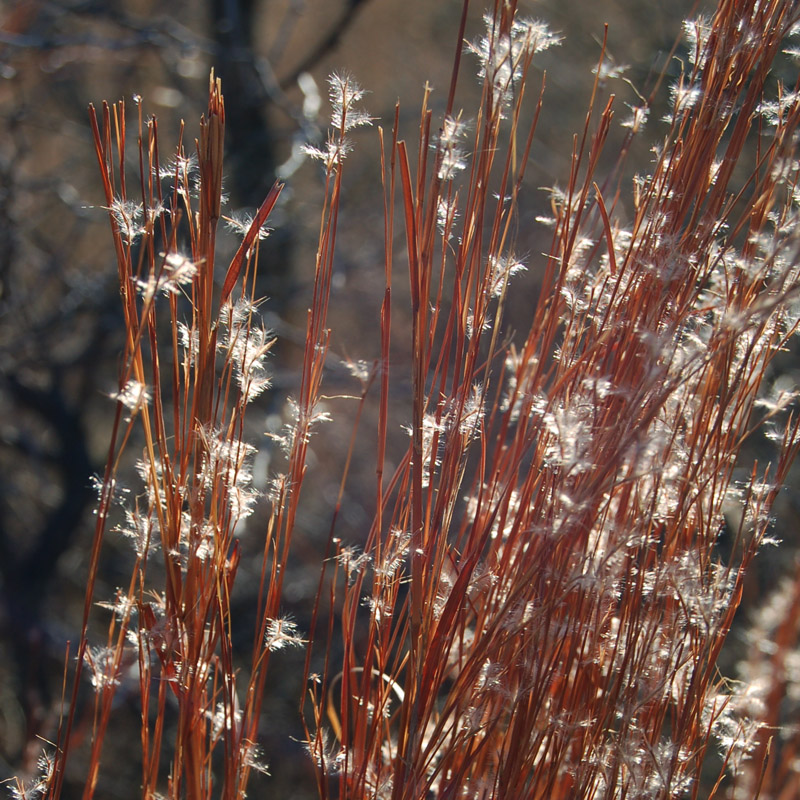
Below is a short listing of some potential native perennials, grasses, and shrubs that are available for your North Texas wildscape:
- Buffalograss (Bouteloua dactyloides)
- Little Bluestem (Schizachyrium scoparium)
- Englemann’s Daisy (Engelmannia peristenia)
- Purple Coneflower (Echinacea purpurea)
- American Beautyberry (Callicarpa americana)
- Fragrant Sumac (Rhus trilobata)
Winter in North Texas is ideal to start preparing your property for change – digging up non-native grasses, extending bedding areas, or removing non-native plants. Plus, with our spring native plant sales just around the corner and many nurseries increasing their selection of native plants, now is a terrific time to get started on your wildscape.
