Pines and Prairies Chapter

Welcome!

Pines and Prairies Chapter of the Native Plant Society of Texas serves the residents of Montgomery County and the nearby counties of Walker and Grimes. 

Chapter News

Starting June 11, 2026 Our monthly chapter meeting is moving to the 2nd Thursday each month. NO meetings will be held in July & Aug,  so our next meeting chapter meeting wil be Thursday, Sept 10, 2026. 

Work and Learn Opportunities

    • Weekly at Jesse H.  Jones Nature Center,  20634 Kenswick Dr, Humble, TX, on Wednesdays, 9am to noon
    • Weekly at the Mercer Society propagation workroom, Hirschfield Rd nursery, on Wednesdays, 9am to 11am
    • Spring 2026 Plant Sale at New World Botanical, 2701 Lone Star Parkway, on Thursdays and Saturdays, 9:30am to noon 📝Sign up

Upcoming Events - sign up for outreach volunteer opportunities marked by 📝

About Pines and Prairies Chapter

Formed in December 2020, the Pines and Prairies Chapter was approved by the State Board of the Native Plant Society of Texas on January 23, 2021. The Chapter serves the residents of Montgomery County, Texas, and the nearby Walker and Grimes counties. Charter Members are Carol Childres, Kim Cox, Bob Dailey, Aram Derewetzky, Don Dubois, Kathie Herrick, Carolyn Langlinais, David Lemons, Teri MacArthur, Gail McConnell, Mike McGee, Paul Nelson, Martin Simonton, Carson Stokes, and Anita Tiller. Carolyn Langlinais, President of Heartwood Chapter, Texas Master Naturalists, wrote a letter in support of forming a new Native Plant Society of Texas chapter. John Ferguson, owner of Nature’s Way Resources, sponsored the chapter’s formation.

Officers, Directors, and Botanical Advisors

  • Seven elected positions form the Board of Directors: President, Vice-President and Program Chairperson, Treasurer, Secretary, and three At-Large Directors. We need additional volunteers to be on the Board; email PinesandPrairies-chapter@npsot.org.
  • Botanical Advisors, native plant specialists by training and experience, review all botanical resources and Chapter promotional materials and assist with training opportunities.

President

A Montgomery City resident since 2010, Amy Birdwell joined the Society in 2022 to connect with other native plant champions.

Mimi Posey

Secretary

Mimi Posey’s interest in native plants began years ago with xeriscape gardening in Denver.  She moved to Houston in 2008

Treasurer

Anne Blount earned her B.S. in Food Science way back in the 70s, and passed the CPA exam in Louisiana
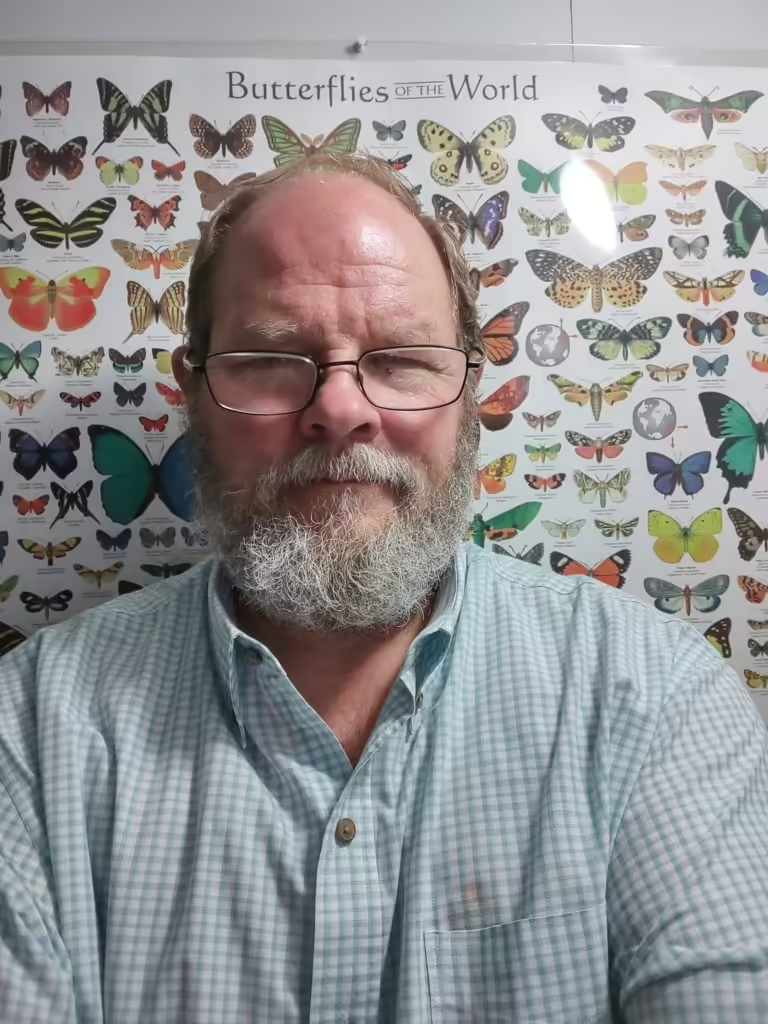
Director at Large

Jay Gowen‘s interest in native plants began in 2014 when he moved to Montgomery County and saw the abundance and
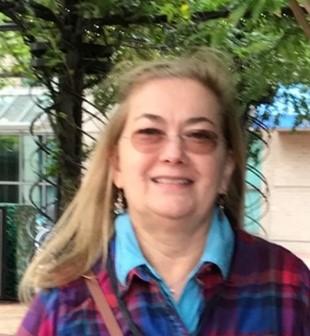
Headshot of person with long hair, glasses, plaid shirt with blue color, smiling at camera.

Botanical Advisor

Anita Tiller serves as botanist and conservation manager for Mercer Botanic Gardens, Harris County since December of 2000. Tiller directs

Headshot of a man waring a light blue ball cap

Botanical Advisor

While Don Dubois’s formal training is chemistry with a PhD from the University of Kansas, he has always been fascinated
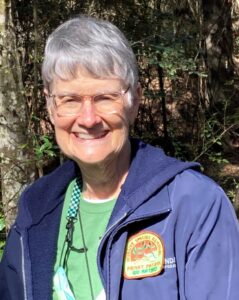
Candid headshot of a woman in a blue hoodie

Botanical Advisor

Kathie Herrick holds a bachelor’s in biology from Grinnell College and masters degrees in botany and teaching of science from

Stay in Touch

Contact

About the Region

2026 Fall Symposium Logo

This low-elevations region of Texas extends inland from the barrier islands, about 60 or so miles, and stretches from Brownsville to Louisiana. In total, it covers about 9.5 million acres, with a high point of 150 feet in elevation. More than 1000 species of plants can be found in this region. On the southern end, species more common in Mexico (such as Sabal mexicana) and Central America occur.

The barrier islands provide us with dune systems, and clay flats to the inland side, which have species found in these areas alone. Many plants here, such as Ipomoea pes-caprae (beach morning glory), can be found throughout tropical regions of the globe. I’ve encountered the same species on the beaches of Guam.

Once inland, vast marshes and wet prairies occur. Occasionally, oak (Quercus fusiformis) groves can be found. Common grasses include species of Bothriochloa, Paspalum, and Sporobolus; eastern gamagrass (Tripsacum dactyloides); and switchgrass (Panicum species). Many rivers and creeks cut through the Gulf Prairies, and along these riparian areas various species of trees, Sabal minor, and other plants adapted to clay soils can be found. Due to overgrazing, farming, and fire suppression, woody species such as mesquite (Prosopis glandulosa) and huisache (Acacia farnesiana), and invasive species such as chinaberry (Melia azedarach), Brazilian pepper (Schinus terebinthifolius), and Chinese tallow (Sapium sebiferum) have increased and displaced our native flora.

Source: Wildflowers of Texas by Michael Eason